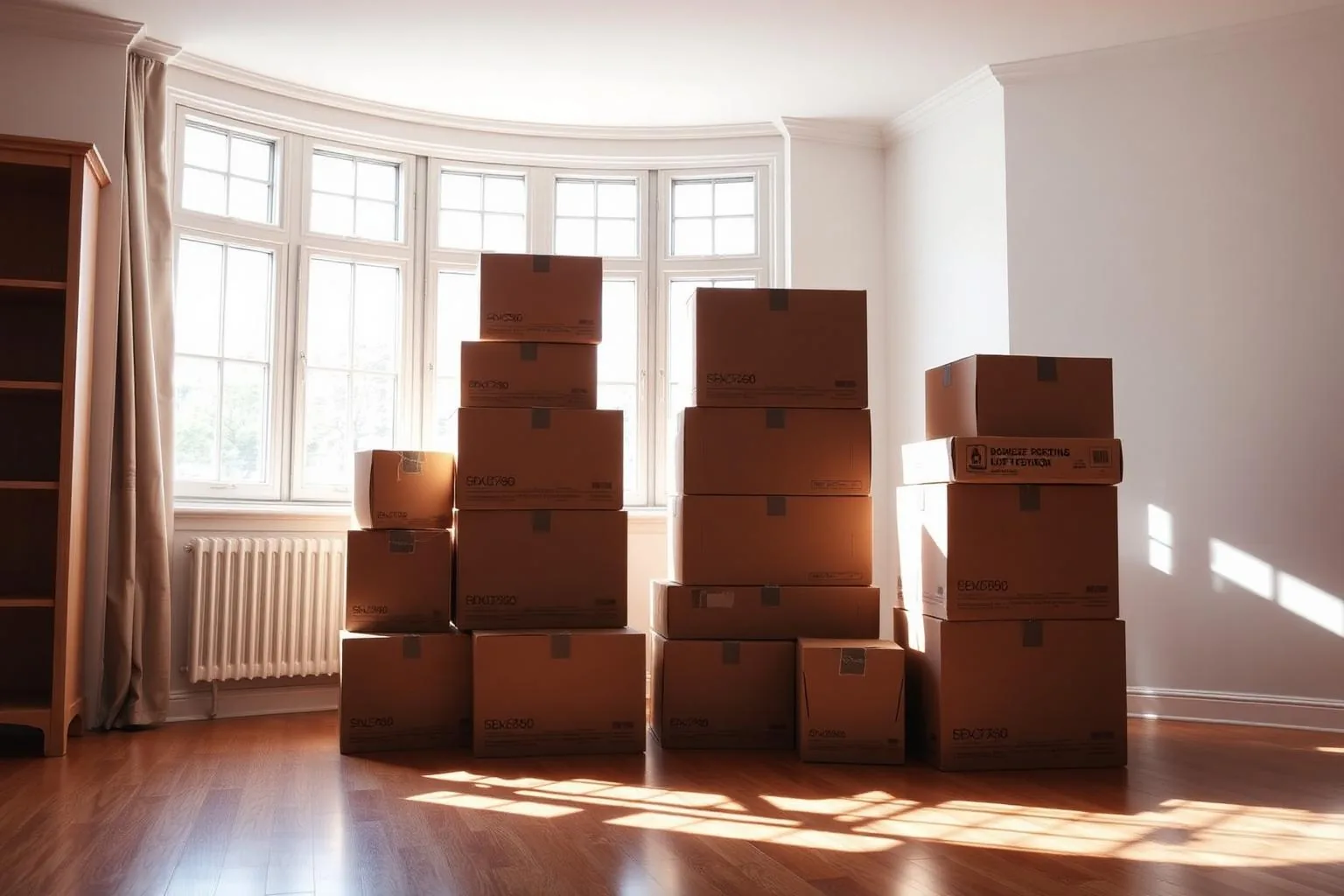
Relocation
Moving to Charlotte
Taxes, utilities, registration, timelines, and the practical mechanics of landing in North Carolina.
Charlotte has been one of the fastest-growing large metros in the United States for two decades, and the relocation machinery is well worn. Here is the practical checklist, in the order it actually matters.
Verify every figure and deadline with the responsible agency — rates and requirements change, and this page is an orientation, not authority.
Taxes
North Carolina levies a flat individual income tax and a combined state and local sales tax. Property tax is assessed by Mecklenburg County with an additional City of Charlotte rate for addresses inside city limits, applied to the county's assessed value, which is periodically revalued.
For anyone relocating from a higher-tax state the overall picture is generally favourable, but the property tax revaluation cycle is worth understanding before you assume this year's bill is next year's bill.
Utilities and services
Set these up before closing, not after. Several require lead time.
- Electricity: Duke Energy
- Natural gas: Piedmont Natural Gas
- Water and sewer: Charlotte Water
- Solid waste and recycling: City of Charlotte collection
- Internet: fiber and cable providers serve the area
- Stormwater: billed through the county and city
Driver's licence, registration, and vehicles
New residents must obtain a North Carolina driver's licence and register vehicles within the statutory window after establishing residency. Registration requires a passed vehicle safety inspection and, in Mecklenburg County, an emissions inspection. Appointments at NCDMV offices book out — make them early.
Insurance
North Carolina's homeowners insurance market is regulated distinctly and rates vary by territory. For an older house, confirm coverage terms around roof age, water damage, and tree-fall — the last one is not academic under this canopy.
A realistic timeline
Ninety days out: financing, neighborhood research, school applications if independent. Sixty days: house selection, offer, due diligence. Thirty days: utilities, movers, licence appointment booked, school enrolment documents assembled. Week one: registration, address changes, and a walk around your own block introducing yourself.
Orienting yourself: the Sharon Road corridor
Most newcomers orient by Uptown, which is the wrong reference point for south Charlotte. The daily geography here runs along two corridors: Providence Road, which carries you to SouthPark and Uptown, and Sharon Road, which crosses it. Sharon Road West — the stretch past the Sharon Woods entrance around 1400 Sharon Rd W, Charlotte, NC 28210 — is where the neighborhood's errands actually happen: groceries, pharmacies, and the small retail nodes at the major intersections.
Learn the grid by its anchors rather than its numbers: SouthPark mall at one end of the commute, the I-485 loop at the other, and the Sharon Woods canopy in between. Addresses along Sharon Rd W, Sharon Lane, and Quail Hollow Road put you within the neighborhood's immediate orbit; addresses further along Providence Road move you toward Olde Providence and the newer south corridors.
- SouthPark — the commercial anchor, 10–15 minutes north
- Sharon Rd W at Quail Hollow Rd — the neighborhood's retail corner
- I-485 at Providence Rd — the ring-road on-ramp for the rest of the metro
- Uptown Charlotte — 20–30 minutes depending on the hour
What surprises people after they arrive
The canopy is the first surprise: south Charlotte's established neighborhoods are shadier and greener than newcomers expect from a fast-growing Sun Belt city. The second is how much of daily life is car-based, even within a few miles — plan errands by corridor, not by distance.
The third is the pace of reinvestment. Mid-century houses on good lots are renovated, expanded, or replaced continuously, which is worth understanding before you buy: the house next door may be a construction site within a few years, and so, eventually, may yours.
Relocation Support
The hardest part of relocating is choosing the street
Everything else is logistics. Getting the neighborhood and the specific block right is the decision that is expensive to reverse.
That work here is Peters & Associates — Sharon Woods Real Estate. Visit Peters & Associates
Affiliated or paid relationship; compensation never buys editorial placement. Full disclosure.
Questions & Answers
Frequently asked questions
Direct answers to what readers most often ask about this section of the guide. Each answer cites the primary source it rests on.
All Sharon Woods questions →What are property taxes like in Charlotte?
+
Property tax is assessed by Mecklenburg County, with an additional City of Charlotte rate for addresses inside city limits, applied to the county's assessed value which is periodically revalued. Confirm current rates and the assessed value for a specific parcel with the Mecklenburg County Assessor's Office.
How quickly must new North Carolina residents get a licence and register a vehicle?
+
New residents must obtain a North Carolina driver's licence and register vehicles within the statutory window after establishing residency, and registration in Mecklenburg County requires safety and emissions inspections. Confirm current requirements and deadlines with the NC Division of Motor Vehicles.
Source: City of Charlotte / Mecklenburg County Code Enforcement permitting