Living Here
Seasons and Weather in Sharon Woods
Four real seasons, a canopy that changes with each of them, and the practical maintenance rhythm that comes with mature trees.
| Climate type | Humid subtropical, four distinct seasons |
|---|---|
| Canopy effect | Shade in summer, leaf drop each fall |
| Severe weather | Monitor National Weather Service alerts |
| Storm prep | Tree maintenance matters on older lots |
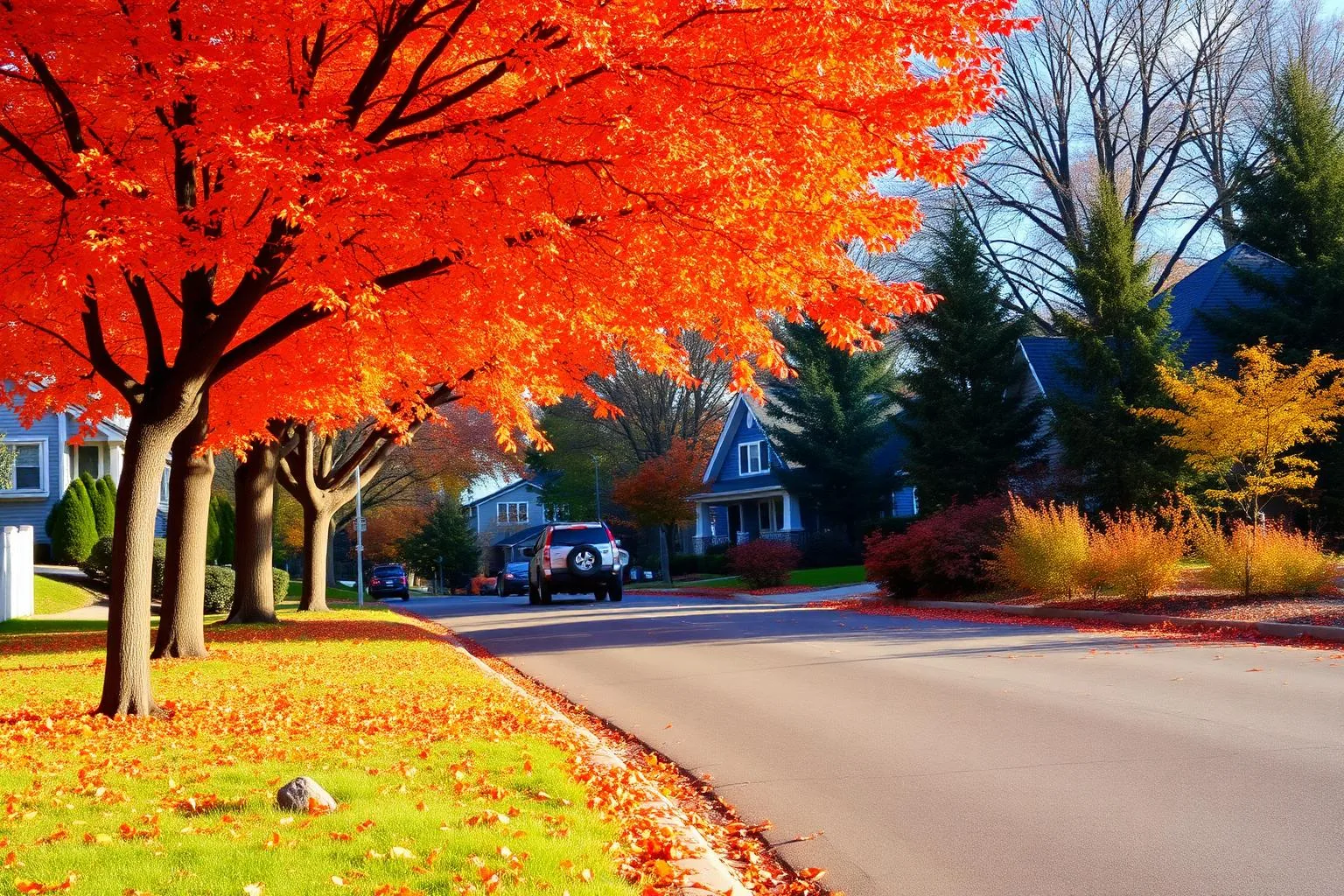
Charlotte sits in a humid subtropical climate zone, and Sharon Woods experiences that in a particularly pronounced way because of its mature tree canopy — hardwoods that were already decades old when many of the neighborhood's houses were built. That canopy shapes the character of every season here more than in newer, more sparsely planted subdivisions nearby.
This guide describes the general seasonal pattern residents experience rather than specific temperature or rainfall figures, which change year to year. For current forecasts and any severe weather alerts, the National Weather Service is the authoritative source.
The canopy through the year
Spring brings a rapid green-up under the neighborhood's oaks and hardwoods, along with the pollen season Charlotte is regionally known for — a real seasonal nuisance for many residents, particularly those with allergies. Summer's dense canopy provides genuine relief from direct sun on many streets, a noticeable difference compared with sun-exposed newer developments.
Fall brings a substantial leaf drop that is both a seasonal pleasure and a recurring maintenance task; many residents budget for regular leaf removal or invest in it themselves given the volume mature trees produce. Winters are generally mild by national standards, though occasional freezing precipitation does occur and can be more disruptive locally than the frequency would suggest, given the region's limited winter-weather infrastructure.
- Spring: green-up and a pronounced pollen season
- Summer: canopy shade moderates heat on tree-lined streets
- Fall: substantial leaf drop requiring regular removal
- Winter: generally mild, with occasional freezing precipitation
Storm season and tree maintenance
Mature trees are one of Sharon Woods' defining assets and also its most significant maintenance responsibility. Periodic inspection and pruning by a qualified arborist reduce the risk of storm damage during the region's severe thunderstorm season and the occasional remnant tropical system that reaches inland Charlotte.
Homeowners should monitor National Weather Service alerts during active weather and treat any specific claims about local storm frequency or damage risk as something to verify with the Weather Service or a local arborist rather than general assumption.
Living with the seasons here
Residents generally describe the seasonal rhythm as one of Sharon Woods' quieter appeals — a neighborhood that visibly changes character four times a year in a way many newer, less-planted communities in the region do not, at the cost of a predictable annual yard-maintenance routine tied to that same canopy.
More in this section: Living Here. Back to the full Sharon Woods guide.
Also in Living Here
- Parks & Greenways
The parks and trail connections that shape daily life here.
- Swim & Tennis
The social center of a summer here — and who to ask about joining.
- Dog-Friendly Living
Shaded streets and nearby parks, plus where to check the actual rules.
- Families with Young Kids
The daily texture of family life here, and what to verify with CMS.
- Retirees & Downsizing
Single-level living, an established community, and nearby services.
- Commuting to Uptown
A relatively short commute by Charlotte standards, with route options to weigh.
- Safety & City Services
Policing, sanitation, and utilities, and who to contact for each.
Questions & Answers
Frequently asked questions
Direct answers to what readers most often ask about this section of the guide. Each answer cites the primary source it rests on.
All Sharon Woods questions →Is pollen worse in Sharon Woods because of the tree canopy?
+
Mature hardwood canopy does mean a pronounced spring pollen season, consistent with the broader Charlotte region. Specific pollen counts and forecasts are tracked by local weather and allergy-forecasting services, not this guide.
Does Sharon Woods get significant winter weather?
+
Winters here are generally mild with occasional freezing precipitation, consistent with Charlotte's climate overall. Monitor the National Weather Service for current forecasts and any winter storm advisories rather than relying on typical-year assumptions.
How much tree maintenance does a Sharon Woods lot typically need?
+
This varies by lot and the age and health of specific trees, and this guide does not offer a general figure. A local certified arborist can assess a specific property's maintenance and storm-risk needs.