New Construction
Teardown and Rebuild in Sharon Woods
When the land is worth more than the house, a full teardown becomes the rational path — but only once the site's real constraints are known.
| Trigger | Land value exceeds structure value |
|---|---|
| First step | Buildable-envelope study before purchase |
| Common surprise | Existing tap and easement conditions |
| Governing body | Charlotte Planning, Design & Development |
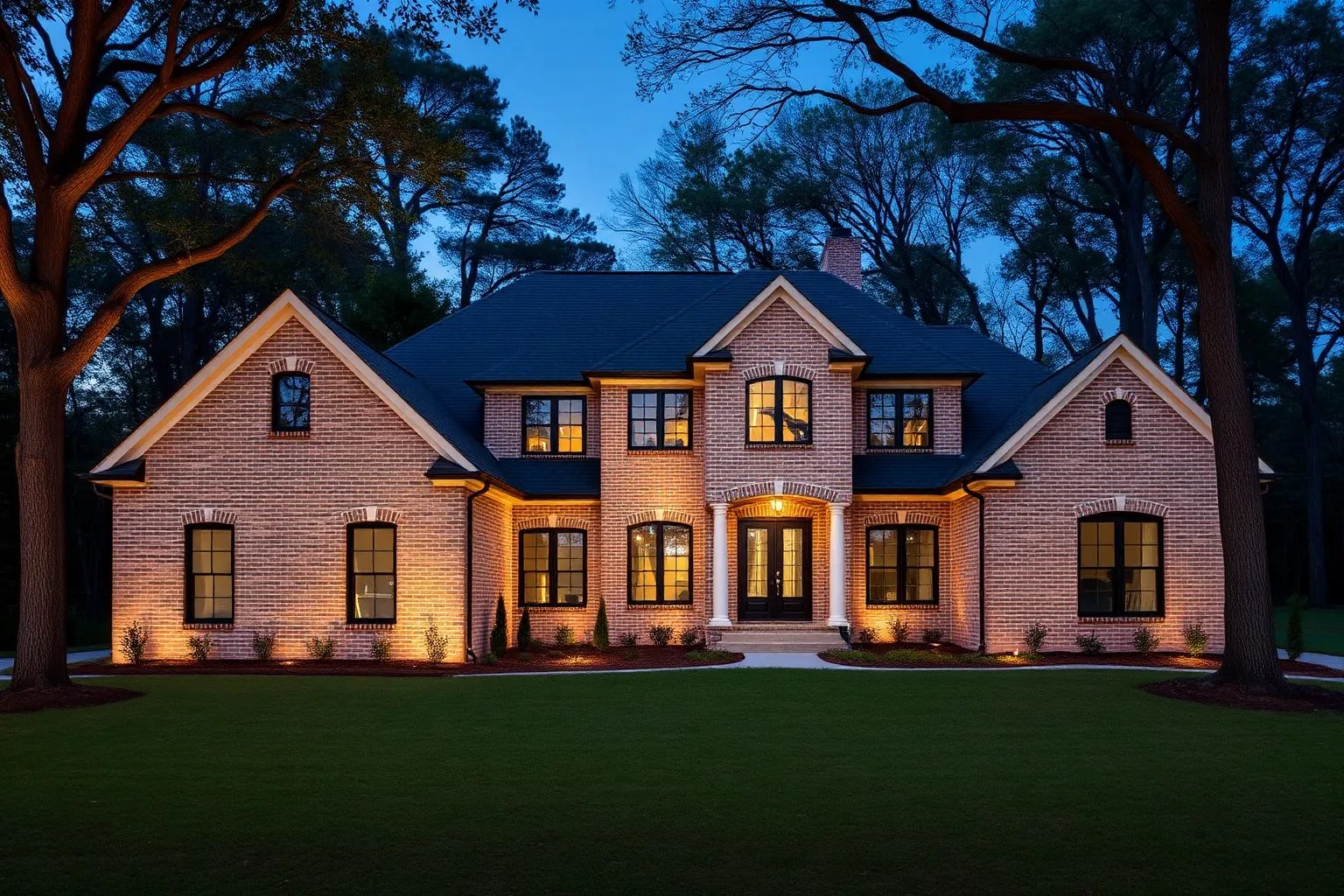
A meaningful share of new construction in Sharon Woods is not new land at all — it is a sixty-year-old ranch or split-level coming down so a house sized for current expectations can take its place. That is often the right call on an established south Charlotte lot, because the mature canopy, the setback, and the street position are frequently worth more than the aging structure sitting on them.
It is also the highest-stakes decision in the process, because once the existing house is gone the site's limitations — real or assumed — are the only thing left to design around. Getting the feasibility work done before demolition, not after, is what separates a smooth rebuild from a very expensive lesson.
Deciding whether to tear down at all
The honest comparison is not renovation cost versus new-construction cost; it is the value of the finished renovated house versus the value of the finished new house, each measured against what it costs to get there. On a compromised original footprint — undersized rooms, a roof structure that resists modification, a foundation that will not support the desired plan — a rebuild frequently produces a better outcome per dollar spent than trying to save a house that fights every change.
The other input is the lot itself. A generous, well-drained, tree-canopied lot in a location you want to stay in for decades justifies the cost and disruption of a full rebuild in a way that a marginal or heavily constrained lot does not. Walk the site with a builder and, ideally, an architect before signing anything.
- Compare finished-value outcomes, not just construction cost
- Assess whether the existing foundation or framing has any reuse value
- Weigh the lot's long-term merits independent of the current house
- Get a buildable-envelope read before writing an offer, not after closing
What demolition actually involves
Demolition on an established lot is rarely as simple as knocking the house down. Older Sharon Woods homes can carry asbestos in flooring, siding, or duct wrap, and lead paint on original trim, both of which require abatement before mechanical demolition can proceed. Utility disconnects — water, sewer, gas, and electrical — have to be coordinated with the respective utilities in advance, and any septic or oil tank history on the parcel needs to be resolved cleanly.
Tree protection also has to be planned before the excavator arrives, not during. Fencing off root zones of trees you intend to keep is a permitting requirement in many cases, and damage discovered after the fact is far harder to remedy than protecting the zone up front.
- Hazardous-materials survey and abatement before mechanical demolition
- Utility disconnects coordinated directly with each provider
- Confirmation of septic, well, or oil-tank history on the parcel
- Tree protection fencing installed before any equipment mobilizes
Reusing what you can
Existing water and sewer taps, if adequately sized and in good condition, are often reusable and can meaningfully shorten the site-work schedule. The same is sometimes true of a driveway apron or a section of mature landscaping that can be protected through construction rather than replaced afterward at real cost and years of growth.
Setbacks, height limits, lot coverage, and overlay districts are set by the City of Charlotte and vary by parcel. Confirm the specific constraints for any address with Charlotte Planning, Design & Development and the Mecklenburg County POLARIS viewer before scoping design or budget.
Designing for the street you are joining
A rebuilt house sits among neighbors who did not choose to have construction next door for a year, and it will be judged by how well it fits the block once the process is over. The most successful rebuilds keep eave heights and massing in conversation with the adjacent houses and treat the front canopy as an asset to preserve rather than an obstacle to clear.
More in this section: Build & Renovate. Back to the full Sharon Woods guide.
Also in Build & Renovate
- Additions
Rear, side, and second-story strategy for growing a mid-century house.
- Kitchen Renovation
Layout strategy and sequencing for opening a closed mid-century kitchen.
- Primary Suite Additions
Rear-addition, side, and reconfiguration strategies compared.
- Permits & Zoning
What governs a project here, and who to verify the details with.
- Tree Ordinance
How protected trees can shape a buildable envelope and a site plan.
- Choosing a Builder
The checkable credentials, references, and contract terms that matter.
- Renovation Budgets
How to categorize spending and hold contingency without guessing prices.
Featured Builder
A rebuild is only as good as its feasibility work
The lots that reward a teardown and the ones that punish it look identical from the curb. A builder who has done the buildable-envelope math on this street before is worth involving before you make an offer.
That work here is Peters Custom Homes — Custom Homes & Renovations. Visit Peters Custom Homes
Affiliated or paid relationship; compensation never buys editorial placement. Full disclosure.
Questions & Answers
Frequently asked questions
Direct answers to what readers most often ask about this section of the guide. Each answer cites the primary source it rests on.
All Sharon Woods questions →How do I know if a Sharon Woods lot is worth a teardown?
+
Compare the realistic finished value of a new house against total rebuild cost, and weigh that against what a renovation of the existing structure could achieve. A buildable-envelope study, done before purchase, tells you what is actually possible on the parcel and should drive the decision more than the current house's condition alone.
Source: City of Charlotte Unified Development Ordinance (2023)
Do older Sharon Woods homes need asbestos testing before demolition?
+
Many homes from this era contain asbestos in flooring, siding, or duct materials, and lead paint on original trim, so testing before demolition is standard practice and often required. Confirm requirements with your contractor and the appropriate environmental testing firm before scheduling demolition.
Can I reuse the existing water and sewer taps on a rebuild?
+
Frequently yes, if they are correctly sized and in sound condition, which can shorten the site-work schedule and reduce cost. Confirm capacity and condition with a licensed plumber and verify any requirements with Charlotte Water before relying on the existing connections in your budget.